
15-22 JUNE
At Bonjuk Bay, Art Week begins with a shared storyline.
Not to limit expression, but to create a common ground where different mediums, perspectives, and artistic languages can meet each other. For one week, musicians, visual artists, performers, filmmakers, sculptors, writers, and spatial creators gather around a single idea and explore its many forms.
This year’s theme is The Message.
A message can move through anything.
Through sound, image, gesture, texture, silence, or disappearance. It can be carefully delivered or accidentally left behind. It can travel clearly, distort over time, dissolve completely, or arrive somewhere it was never intended to reach.
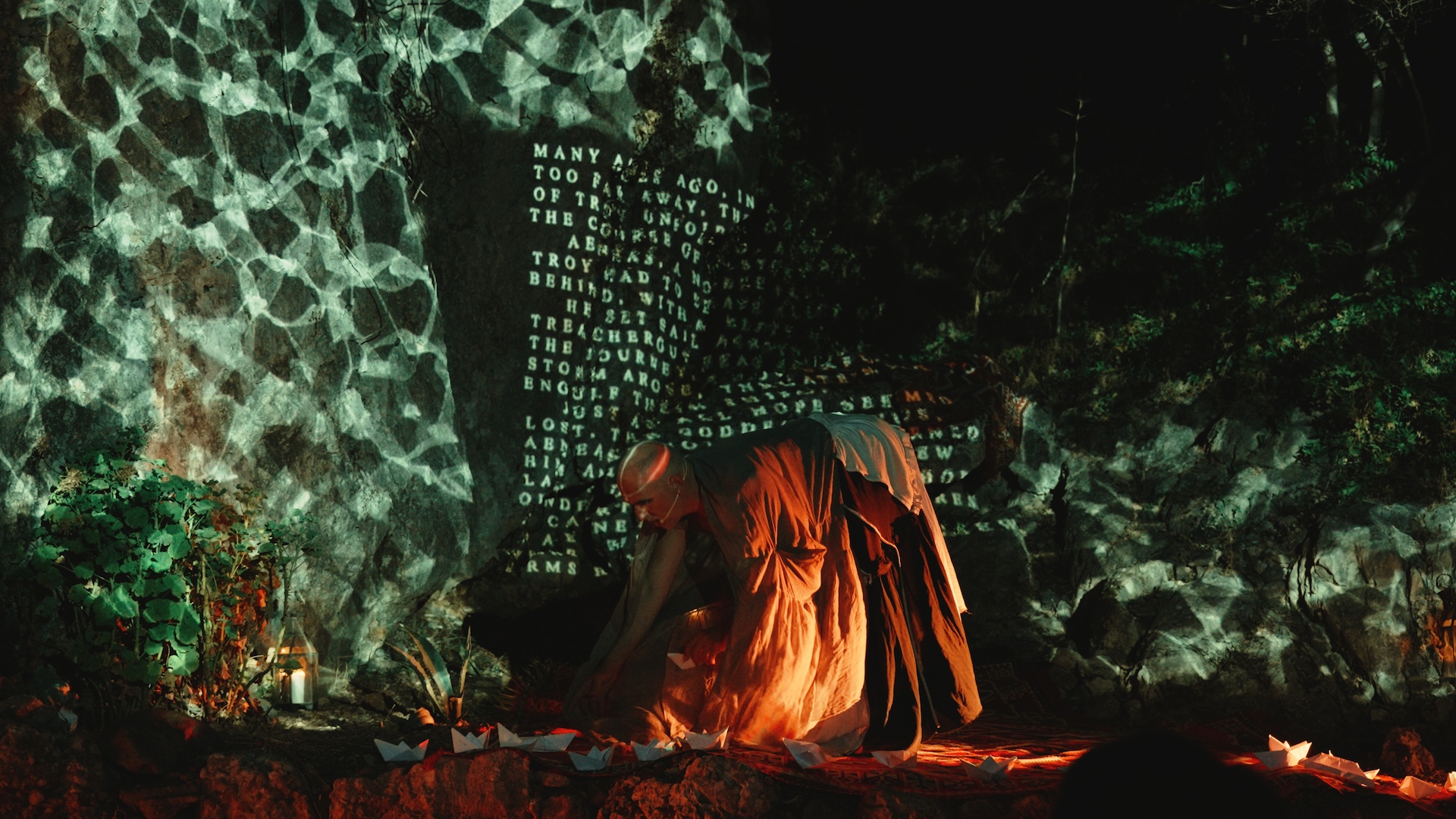
Throughout the week, Bonjuk Bay becomes a space for these transmissions to unfold. Installations appear within nature, performances emerge between gatherings, conversations turn into artworks, and temporary interventions leave traces across the landscape.
Alongside the exhibitions and performances, participating artists will also host workshops and open sessions connected to their own mediums and practices. From movement to sound, sculpture to storytelling, these gatherings invite others into the creative process itself, not only to observe the work, but to experience how it is made, approached, and understood.
Some messages will be loud.
Some almost invisible.
Some may never fully arrive.
And perhaps that is part of the work itself:
exploring not only what we express, but what happens once expression leaves us and enters the world.
Just like last season, this season will also be curated by Burhan Yücel.

weekly tunes
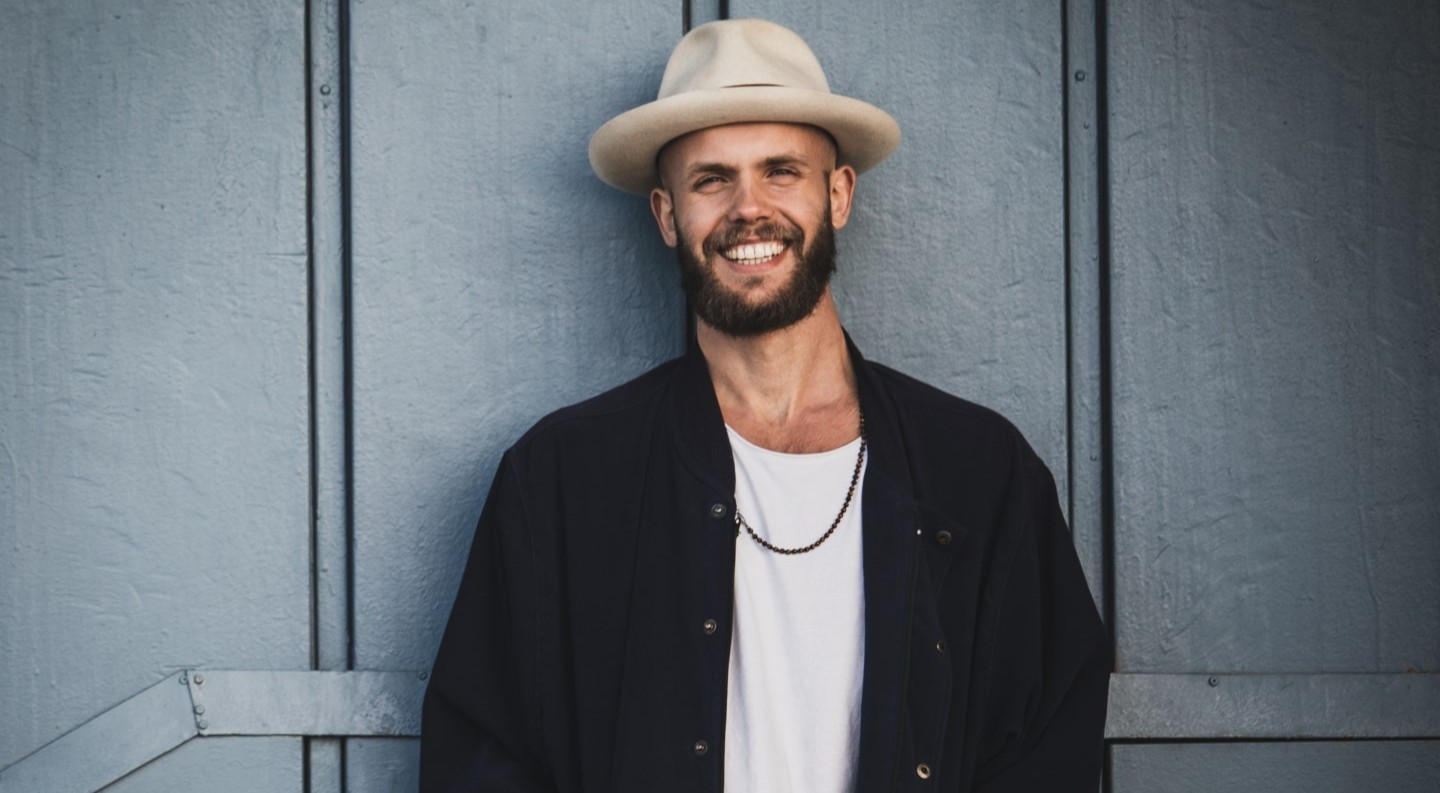
Joep Mencke is a producer based in the Netherlands. Through his productions, Dj-sets, and breathwork sessions he uses his music to facilitate an inward journey. Through musical storytelling he aims to provide a vehicle for exploration and transformation. His music, which is heavily inspired by nature and the immensely diverse cultures on this planet, can be characterized as: compelling, deep, and melodious.
We will have the chance to listen to our dear friend during Blue Sanctuary Experience - Sharamania Tribe / 10-14 June
bonjuk recıpes
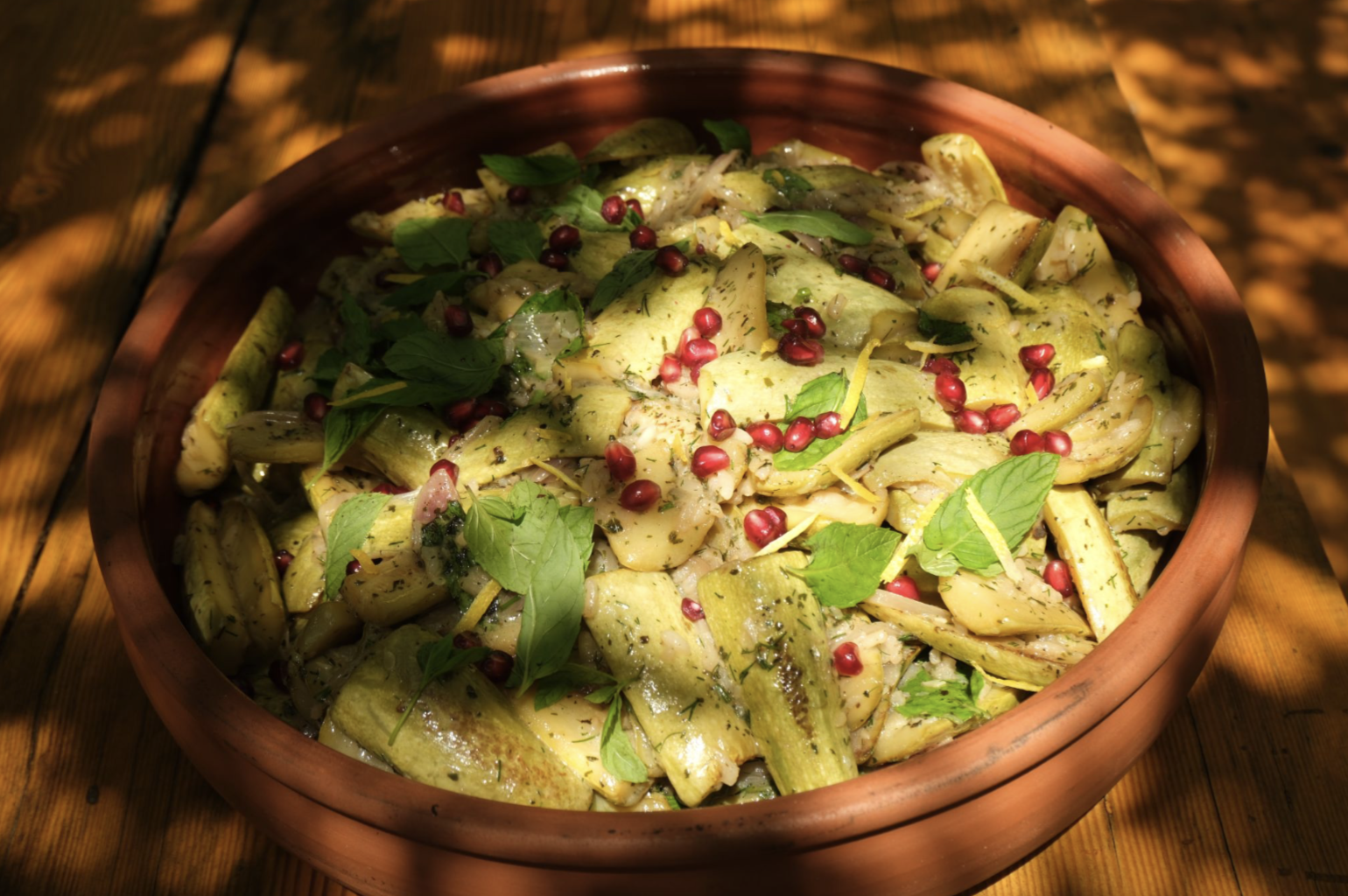
KABAK KALYE
Ingredients
4–5 zucchinis
1 large red onion
2–3 cloves garlic
3–4 tbsp olive oil
2–3 tbsp rice
Juice of 1 lemon (plus extra for serving)
Salt and black pepper
(optional) chili flakes
For the topping
2 tbsp olive oil
1 tsp dried mint
1–2 cloves garlic
Fresh mint
Pomegranate seeds
⸻
Preparation
Slice the zucchinis into finger-thick pieces without removing the seeds
Thinly slice the onion into julienne strips
Finely chop or crush the garlic
⸻
Method
1. Sauté the zucchini
Heat the pan well and add olive oil
Add the zucchini in batches
Sauté until lightly colored but still firm, then set aside
2. Onion + zucchini
In the same pan, soften the onions slightly
Return the zucchini to the pan and toss together
3. Build the flavor
Add garlic, salt, spices, and a small squeeze of lemon juice
Add the rice and mix well
4. Cook
Cover with a lid and cook over low heat
The zucchini will release its own water
The rice will cook in this liquid (add a splash of water only if needed)
5. Rest
Remove from the heat and let cool slightly
⸻
Mint Oil Topping
Briefly sauté olive oil, garlic, and dried mint in a small pan
Drizzle over the dish
⸻
To Serve
Finish with plenty of fresh lemon juice
Add fresh mint
Sprinkle with pomegranate seeds
⸻
Important Notes
Don’t overcrowd the zucchini → it will steam instead of sauté
Don’t overcook → a slight color is enough
Don’t hold back on the acidity → lemon is the soul of this dish
Be generous with the garlic → that’s where the character comes from
Bon Appetit!
why do we create altars
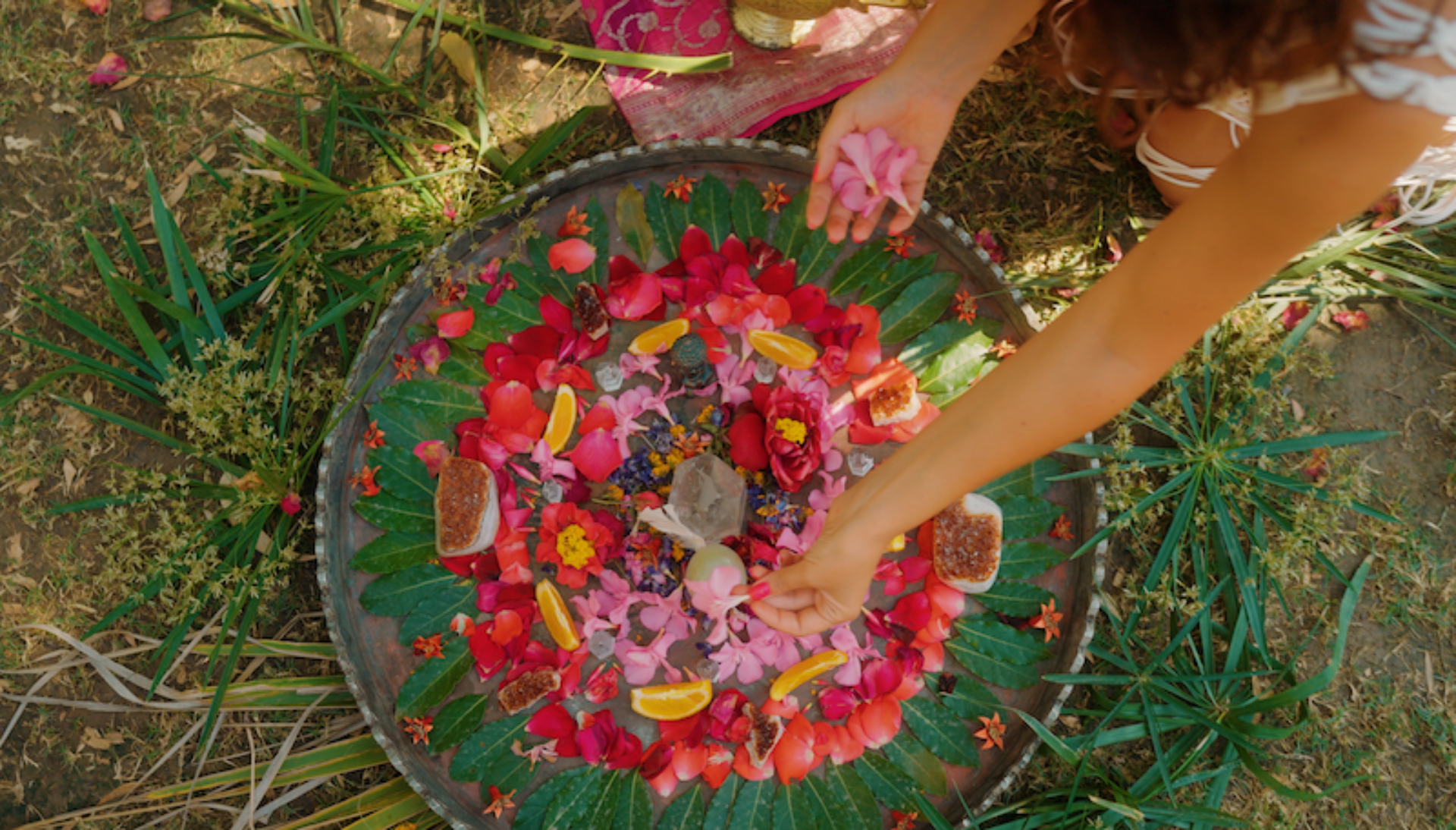
Across cultures and throughout history, humans have created altars as physical points of focus. In ancient Greece, offerings were left at stone shrines before gatherings and ceremonies. In Hindu traditions, flowers, fire, water, and objects from nature are arranged to create a bridge between the visible and invisible. In many Indigenous traditions, altars are built from elements of the land itself, stones, feathers, plants, ash, shells, each object carrying memory, intention, and relationship to place. Even in homes across the world, people still instinctively create small sacred corners: photographs, candles, collected objects, things that help hold meaning in physical form.
At their core, altars are less about religion and more about orientation.
In daily life, beauty often disappears through familiarity. We stop noticing textures, scents, movement, light. But when flowers are gathered carefully, when branches, stones, fruits, fabrics, or objects from the landscape are brought together intentionally, something shifts. The same nature that normally exists in the background becomes visible again.
An altar is, in many ways, a frame for awareness.
A way of taking scattered pieces of beauty and allowing them to speak together.
For gatherings and opening ceremonies, this becomes especially important. When people arrive from different places, carrying different thoughts, rhythms, and emotional states, an altar acts almost like a shared center of gravity. A physical anchor where attention can land. Not forcing a belief or a meaning, but quietly organizing the energy of a space. Giving consciousness somewhere to settle before it begins to move.
This is why altars are often built from natural elements. Flowers that will wilt. Fruits that will age. Sand, water, leaves, fire, branches, shells. Materials that remind us that beauty is temporary, alive, and constantly changing. The altar becomes less of an object and more of a living composition in conversation with the environment around it.
In this way, creating an altar is also an act of collaboration with nature itself.
Not trying to improve it.
Simply noticing it deeply enough to celebrate it.
At Bonjuk Bay, these altars are not made to worship something outside of nature, but to celebrate being inside of it and to notice.
MEET CHIKO
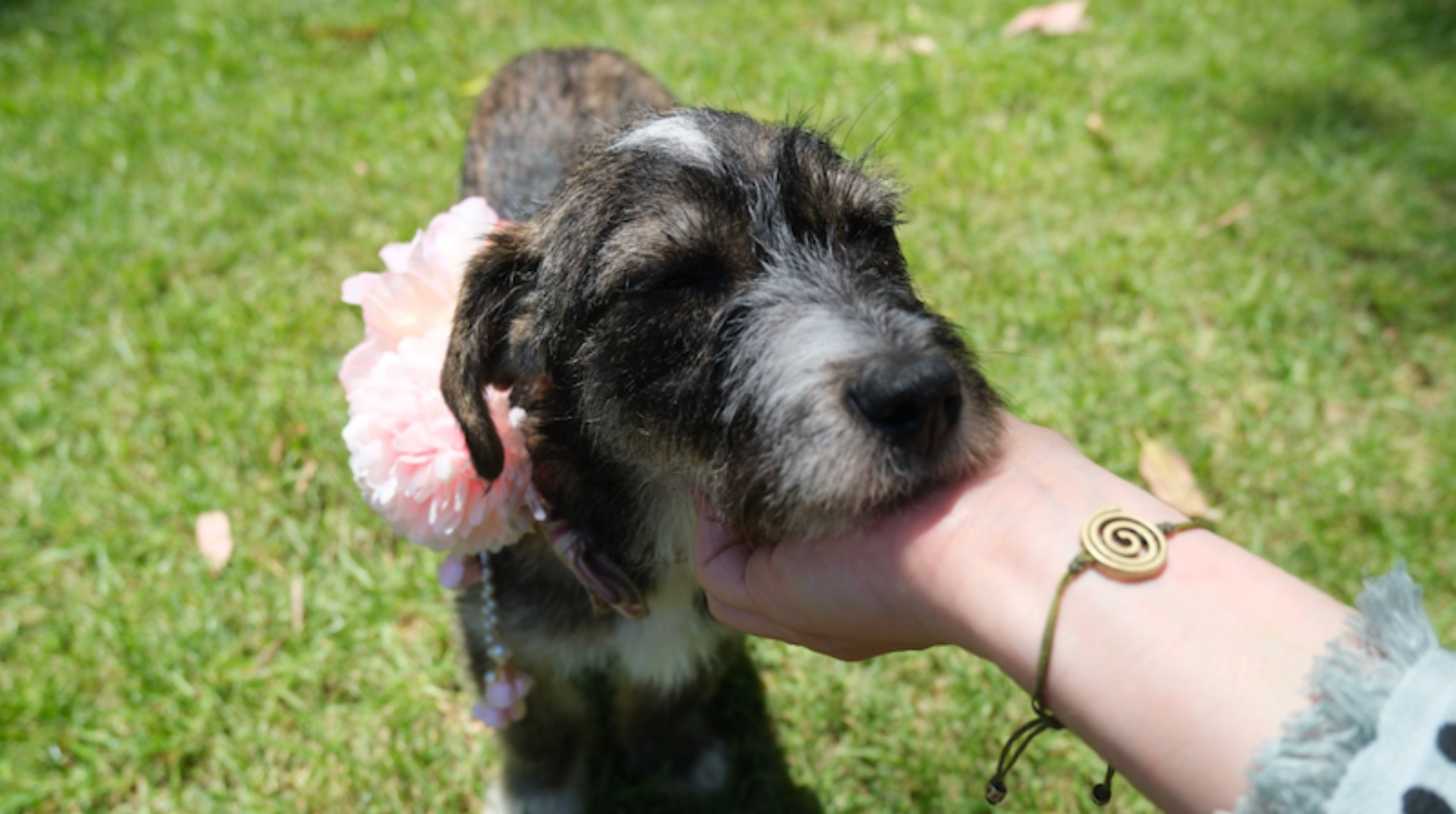
A few days ago, beside the road near the bay, we found a small puppy alone and brought him into our little world. Since then, the rhythm of the place has subtly changed: tiny paws on pathways, unexpected visits during breakfast, new moments of laughter appearing throughout the day.
Places are shaped not only by people, but by every living being that becomes part of them.
So this is a small welcome to the newest soul of the bay, who somehow already feels like he was always meant to be here.
If you have a story, project, or idea you’d like to share, we’d love to hear from you and help spread the word. Feel free to reach out to us at This email address is being protected from spambots. You need JavaScript enabled to view it.