

sprıng flowers of bonjuk
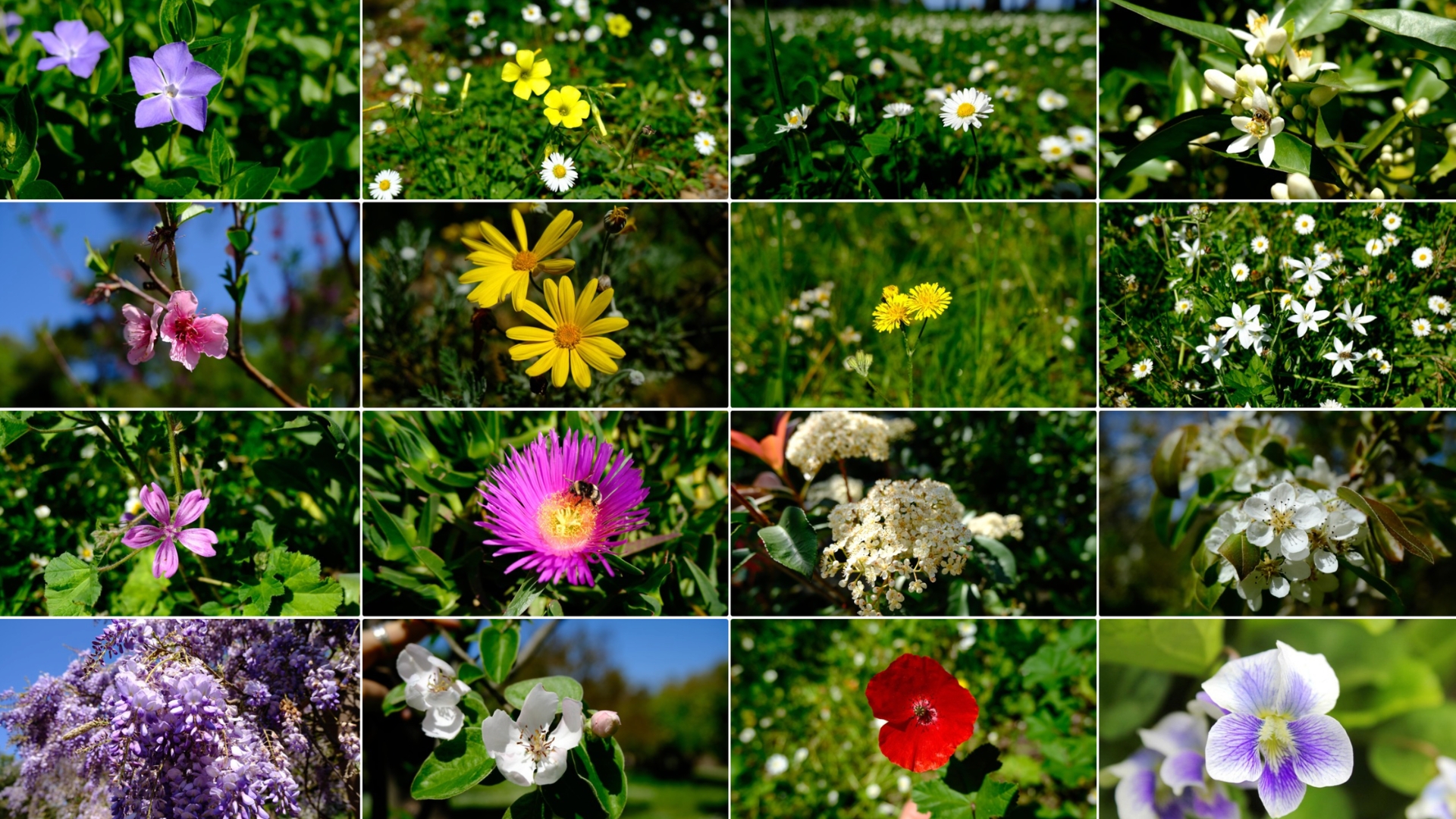
Spring is quietly unfolding at Bonjuk Bay, revealing color and life in corners we might have once passed by. From the delicate blues of Vinca Minor to the soft clouds of Quince and Apricot Blossoms, the landscape is gently waking up. Sweet Pea Shrub and Orange Blossom perfume the air, while Star of Bethlehem lights up the ground like scattered stardust. Bright Poppies, cheerful Golden Daisies, and wild Dandelions dance with the breeze, joined by the humble beauty of Mallow and Bermuda Buttercup. Along the edges, Carpobrotus Edulis spills over sun‑warmed stones, reminding us that spring here is both wild and generous. Each bloom tells its own story; a brief, beautiful moment inviting us to slow down, look closer, and celebrate the quiet magic of the season.
forever young / 14-19 may
One stays youthful by keeping themselves free to play, to be curious, to move without always needing a reason. It lives in those moments where things are not overthought, not measured, not placed into expectations.
Somewhere along the way, we built lives.
We took on roles, stepped into identities that asked us to be consistent, reliable, defined. Titles formed, expectations followed. And slowly, without noticing, the space where our youth once moved freely began to narrow.
But staying young is not about going back.
It’s about making space for that part to exist alongside everything we’ve built.
Here, titles loosen not because they don’t matter, but because they don’t have to define who you are. You don’t have to choose between being responsible and being free.
You can wake up early, take your calls, stay connected to your work
and still lose track of time joining a conversation that slowly turns into something else, wandering from one space to another without needing to decide where you’re going, finding yourself in a moment you didn’t expect, and choosing to stay.
You can carry your structure without letting it contain you.
Because real freedom is not found in stepping away from life.
It’s found in expanding how you move within it.
In remembering that you are allowed to shift.
To play.
To be undefined, even for a moment.
Bonjuk Bay becomes a kind of playground.
Not a place to escape who you are, but a place where who you are can expand.
On the weekend of Commemoration of Atatürk, Youth and Sports Day, we gather around this idea and celebrate the freedom to embrace our youth, a freedom that exists beyond titles, beyond time.
 for more information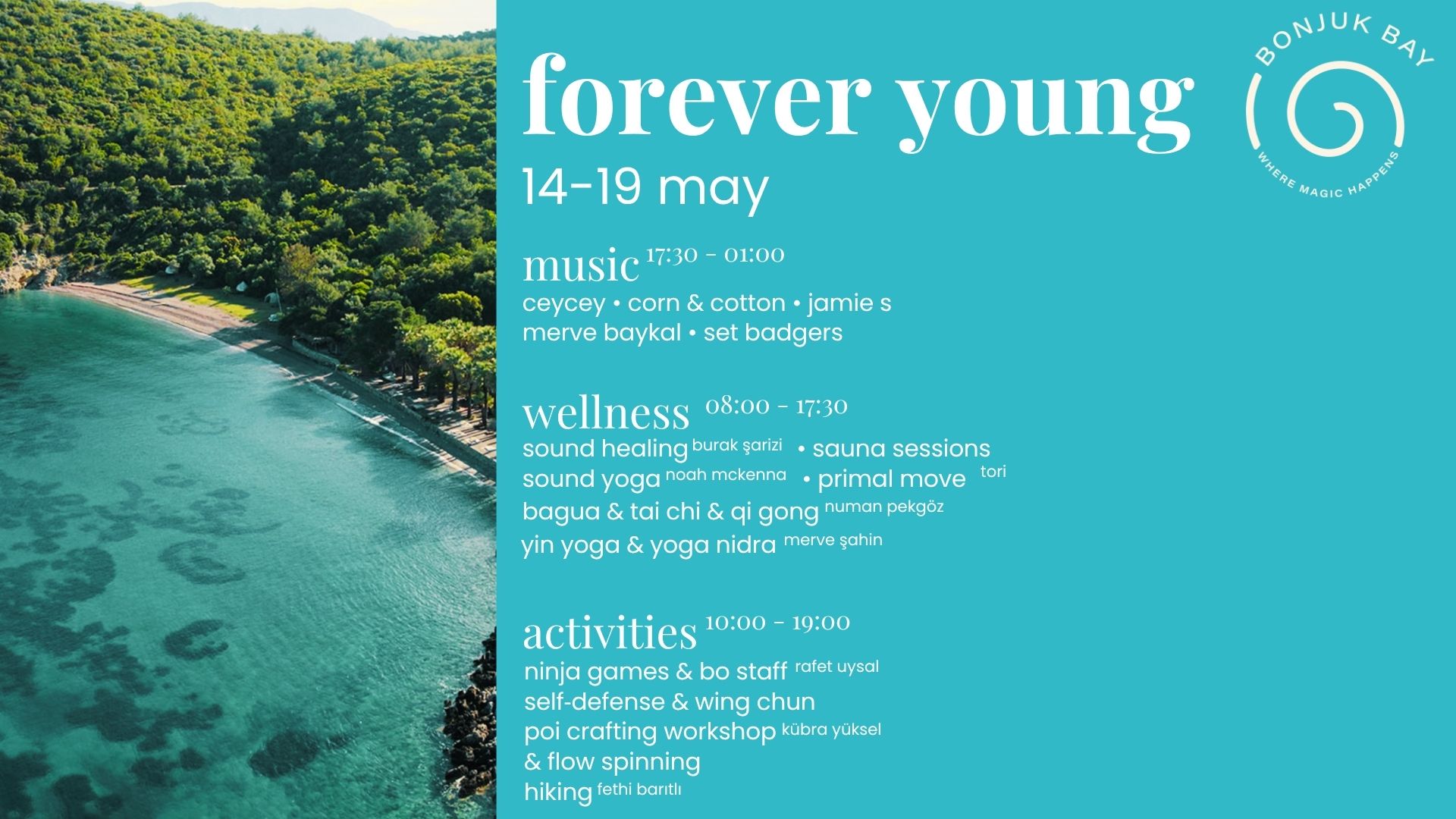
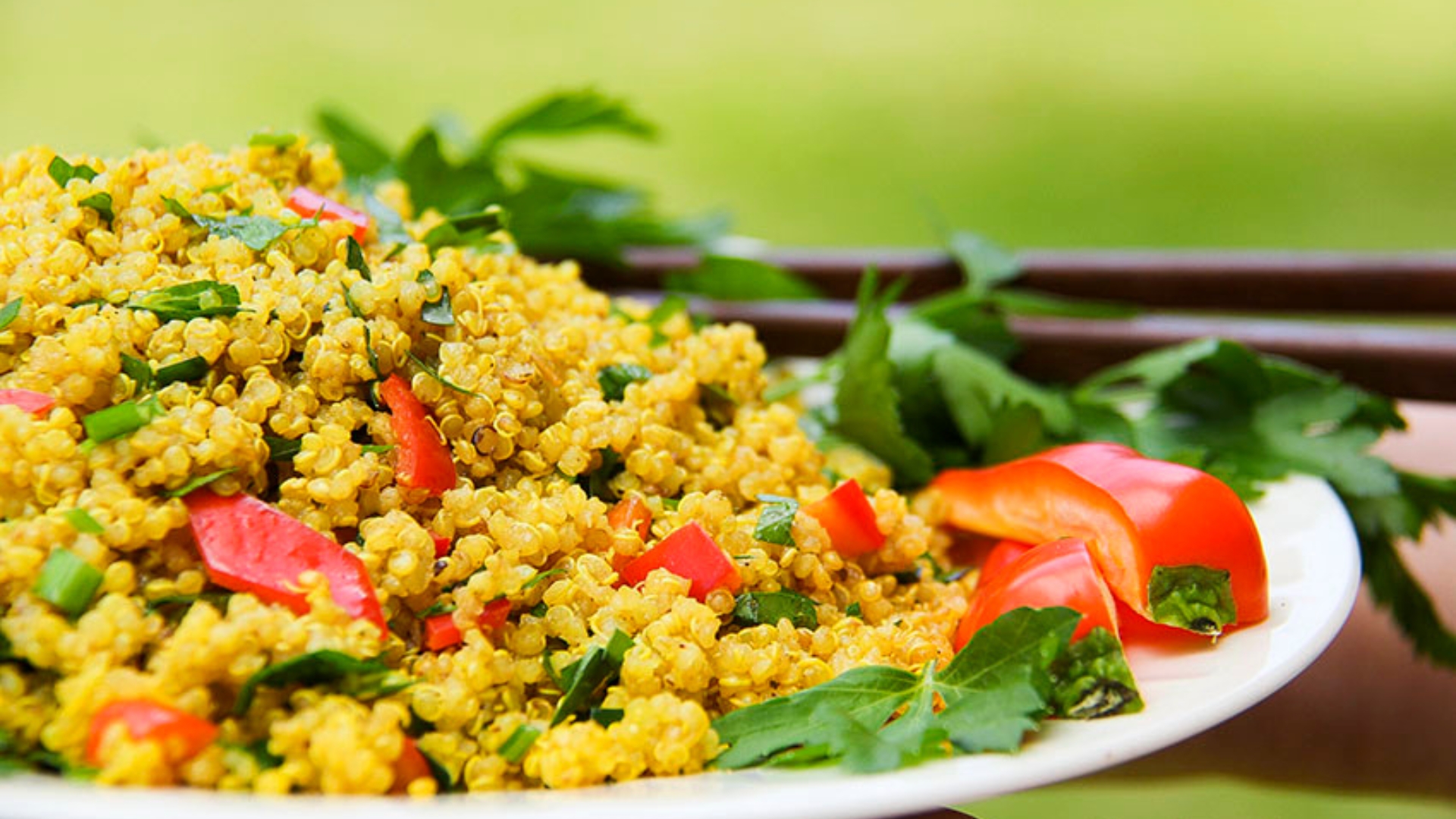
bonjuk recipes / turmerıc quınoa salad
Ingredients
- 1 cup white quinoa
- 2 cups water
- 1 tsp turmeric
- A pinch of black pepper
- 1/4 cup almonds
- 1/4 cup walnuts
- 1 tbsp chopped parsley
- 2 tbsp olive oil
- Juice of 1/2 lemon
- 1 small cucumber
- 1/4 red onion
- 1 cup cooked chickpeas
- Salt to taste
Step 1
Rinse the quinoa well. Add it to a pot with the water, turmeric, a pinch of salt, and a little black pepper. Bring to a boil, then reduce the heat and simmer for 15 minutes, or until the quinoa is tender and the water is absorbed. Let it rest for 5 minutes and fluff with a fork.
Step 2
Toast the almonds and walnuts in a dry pan over medium heat for 3–4 minutes until lightly golden and fragrant.
Step 3
Mix the cooked quinoa with the olive oil, lemon juice, chopped parsley, and half of the toasted almonds and walnuts.
Step 4
Finely dice the cucumber and red onion into small cubes. Add them to the quinoa together with the cooked chickpeas.
Step 5
Mix everything together well and finish by topping with the remaining toasted almonds and walnuts.
Keep your fingers to yourself ;)
Bon appétit!
weekly tunes
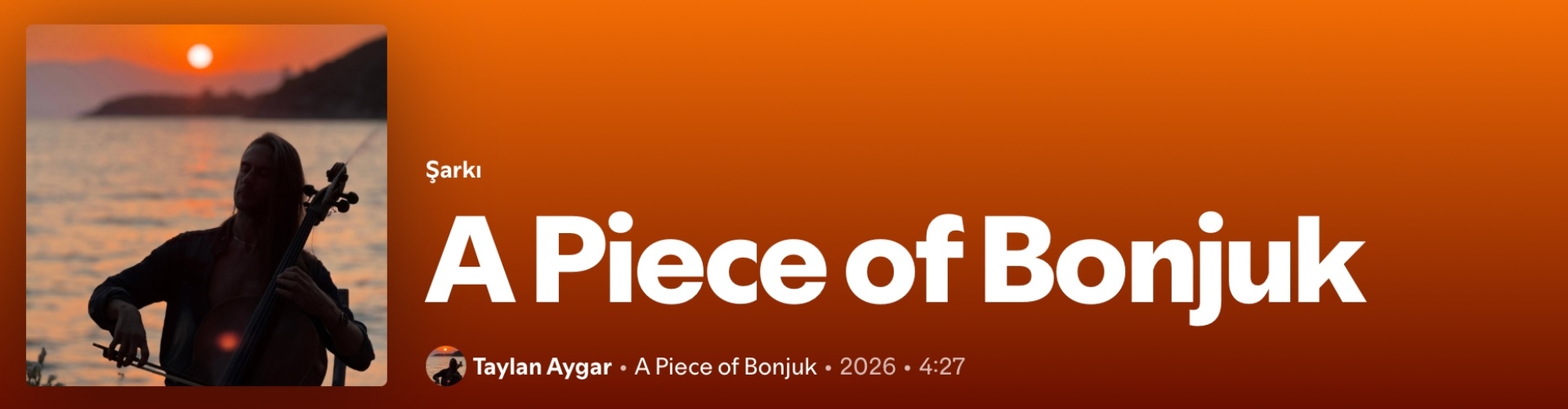
Under the theme of “VoiceOver Mix,” Alican Okan, in collaboration with State Opera and Ballet cellist Taylan Aygar, created an interactive sound and light installation where participants step into the role of a conductor. Using a feather moved across motion sensors, visitors shape a live composition built from five distinct cello recordings, while the lighting of the space shifts in response to the evolving sound. Recorded on-site within nature, the work blends music, movement, and environment into a constantly changing, immersive experience.
barefoot luxury
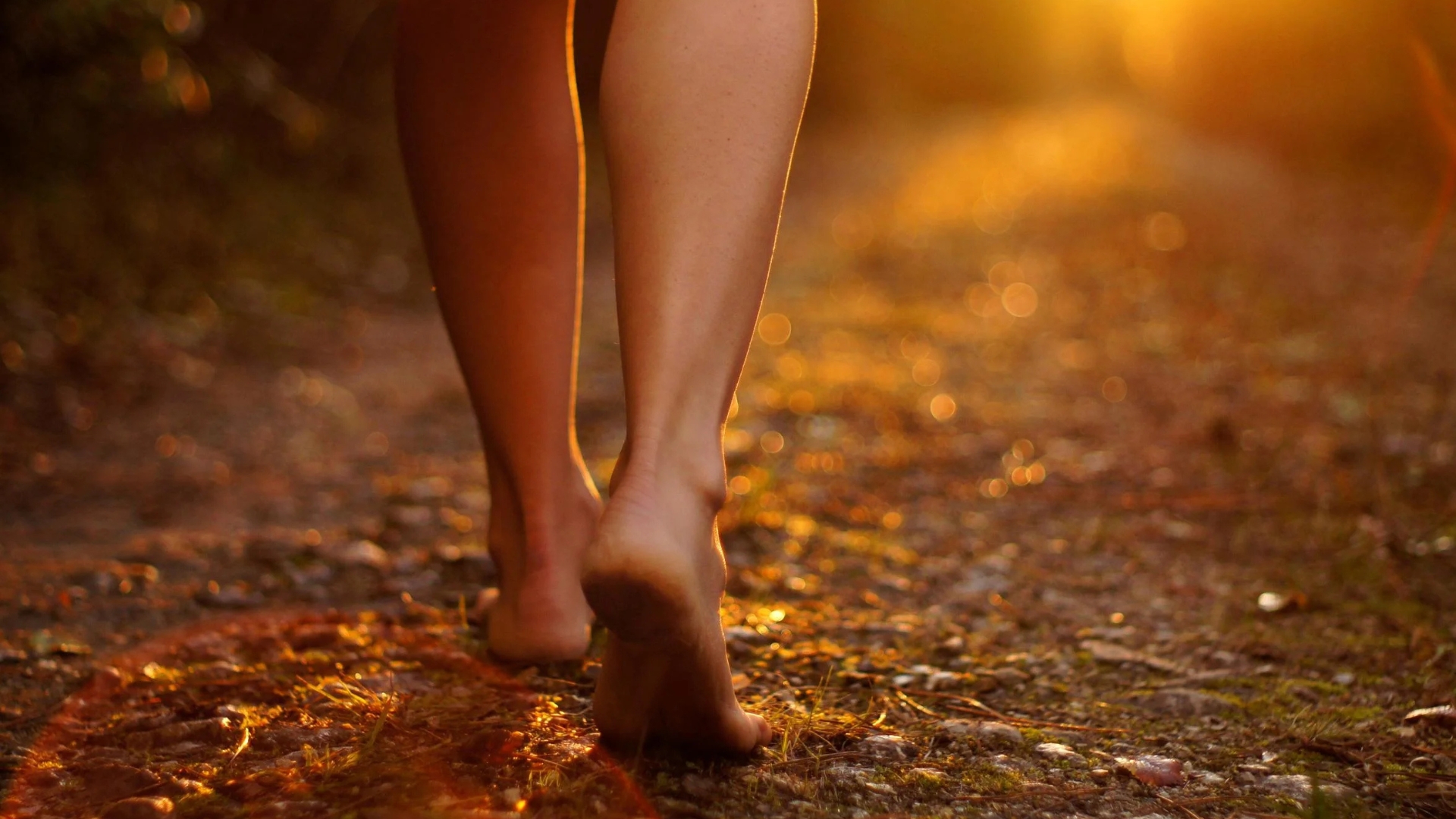
Luxury is often understood as comfort and care. A way of shaping environments so they feel effortless to be in. But there is another kind of luxury, quieter, less defined one that is not built by adding more, but by allowing less to stand in between.
What is often called barefoot luxury is not really about being barefoot. It is about removing the unnecessary layers that separate us from experience. The forms of excess, control, and display that quietly sit between us and the moment.
At Bonjuk Bay, this becomes noticeable in small ways. Shoes are left aside without much thought, yes but more than that, something in the way you move begins to shift. There is less structure to hold onto, less need to perform comfort. The environment does not insist on itself, and because of that, you begin to soften inside it.
Your pace adjusts. Not because it has to, but because it can. Plans loosen. Directions blur. You follow what feels right rather than what was decided before.
Most forms of luxury are designed to perfect the experience, to anticipate, to control, to refine. Barefoot luxury moves differently. It creates space instead. Space for the unexpected, for slowness, for presence to emerge on its own terms.
There is a kind of ease in this. Not the ease of being taken care of at every moment, but the ease of not needing to hold everything together. Of allowing things to be slightly unstructured, slightly open, without losing their sense of care.
What remains is lighter. More immediate. Less about the environment itself, and more about your relationship to it.
And maybe that’s the real luxury.
Not distance from life, but a closer way of moving through it.
convenıence or communıty
In recent years, the language of boundaries has moved from psychology into everyday life.
It has become a kind of cultural shorthand, something we are encouraged to set, protect, and prioritize. And in many ways, this shift has been necessary. Learning to say no has been, for many, a form of healing.
But like many ideas that enter the mainstream, the concept of boundaries has not remained untouched. It has expanded, blurred, and at times, been simplified into something more rigid than it was meant to be.
Somewhere in this shift, the line between self-respect and self-isolation has become less clear. What begins as a way to maintain emotional balance can slowly turn into a way of minimizing discomfort altogether. And discomfort, in relationships, is often where depth begins.
To be there for someone rarely comes without friction.
It asks for time, attention, patience and sometimes inconvenience.
And this is where another confusion appears: the one between sacrifice and presence.
Not all forms of giving are self-abandonment.
Not all forms of support require losing oneself.
Yet today, acts of care are often measured against personal cost.
Is this draining me? Is this aligned? Is this too much?
These are valid questions. But when they become the only questions, something shifts in how we relate.
In a culture shaped by optimization and personal space, relationships can start to feel managed rather than lived. We schedule and filter them and in doing so, lose some of what makes them meaningful: spontaneity, reliance, and ease.
Loneliness, then, is not only about being alone.
It is about the absence of being held in someone else’s world.
And perhaps this is where the deeper question lies.
Not whether we should have boundaries, but how we hold them.
Whether they are flexible enough to allow connection, or rigid enough to prevent it.
Because a life made entirely comfortable can also become a life that is strangely distant.
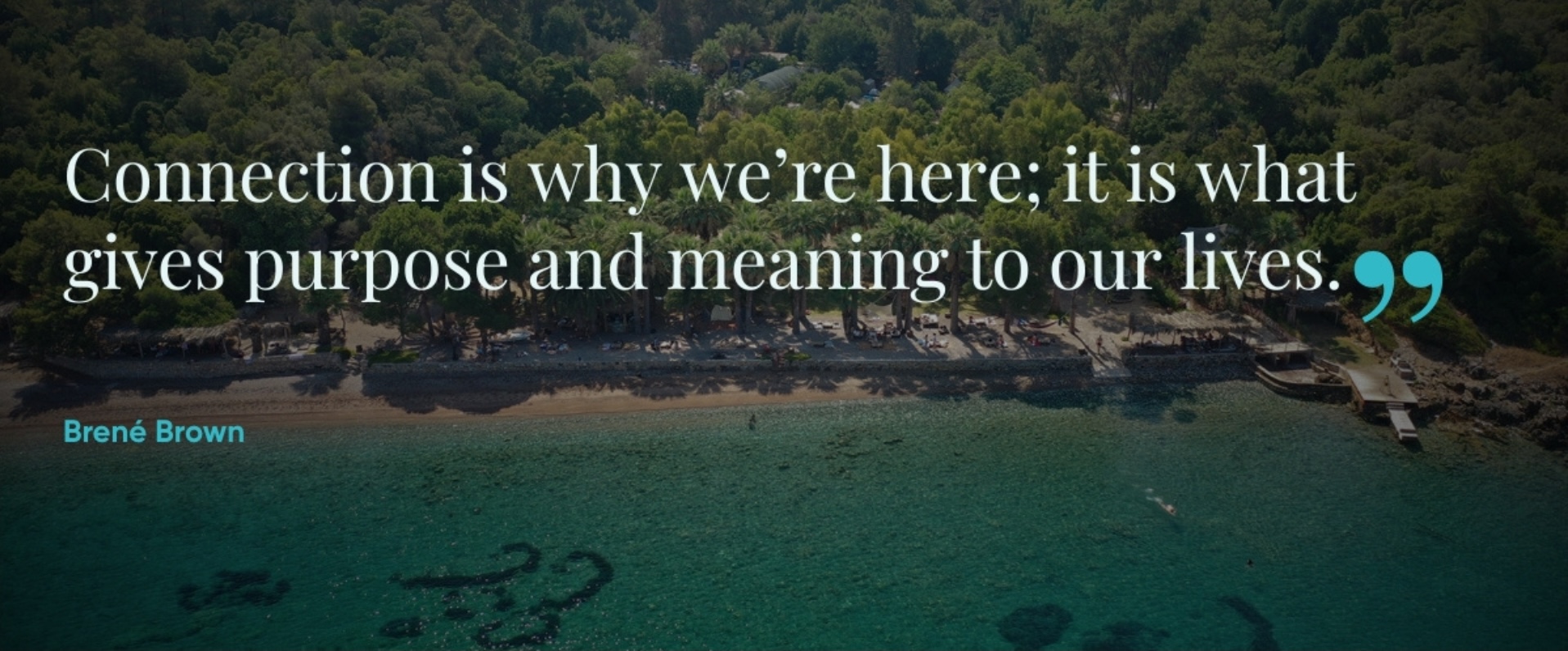
And the community, by nature, asks for a certain openness to interruption. To be needed. To step outside of oneself, even briefly.
A question to sit with:
Have I created a life that protects me or one that also allows me to be deeply present for others?
If you have a story, project, or idea you’d like to share, we’d love to hear from you and help spread the word. Feel free to reach out to us at This email address is being protected from spambots. You need JavaScript enabled to view it.